
Virtual Staging Secrets to Selling Homes Faster and Cheaper

In the competitive world of real estate, grabbing attention quickly is key. Sellers are always on the lookout for ways to make their homes irresistible to buyers. One of the most effective methods is virtual staging. This innovative approach not only boosts the visual appeal of a home but also does so at a fraction of the cost of traditional staging. In this blog post, we'll walk through the secrets of virtual staging and how it can help you sell homes quicker and cheaper.
What is Virtual Staging?
Virtual staging involves digitally furnishing and decorating a home using computer-generated images. Unlike traditional staging, where furniture and decor are physically moved in, virtual staging allows sellers to present a property's potential without the hassle and expense of physical staging. This technique has gained traction recently because it is both affordable and effective. According to a survey by the National Association of Realtors, 77% of buyers find it easier to visualize a property when it is virtually staged.
The Benefits of Virtual Staging
Cost-Effective Solution
One of the standout advantages of virtual staging is its affordability. Traditional staging can drain a budget, often costing upwards of $2,000 to rent furniture and decor for just a single listing. In contrast, virtual staging is typically available for around $24 per image, providing significant savings without compromising on quality.
Time-Saving
Virtual staging saves precious time. Traditional staging demands coordination among movers, decorators, and sometimes contractors, stretching the setup process to days or even weeks. Virtual staging can wrap up in just a few days, helping sellers get their listings online faster, crucial in today’s fast-paced market.
Enhanced Visual Appeal
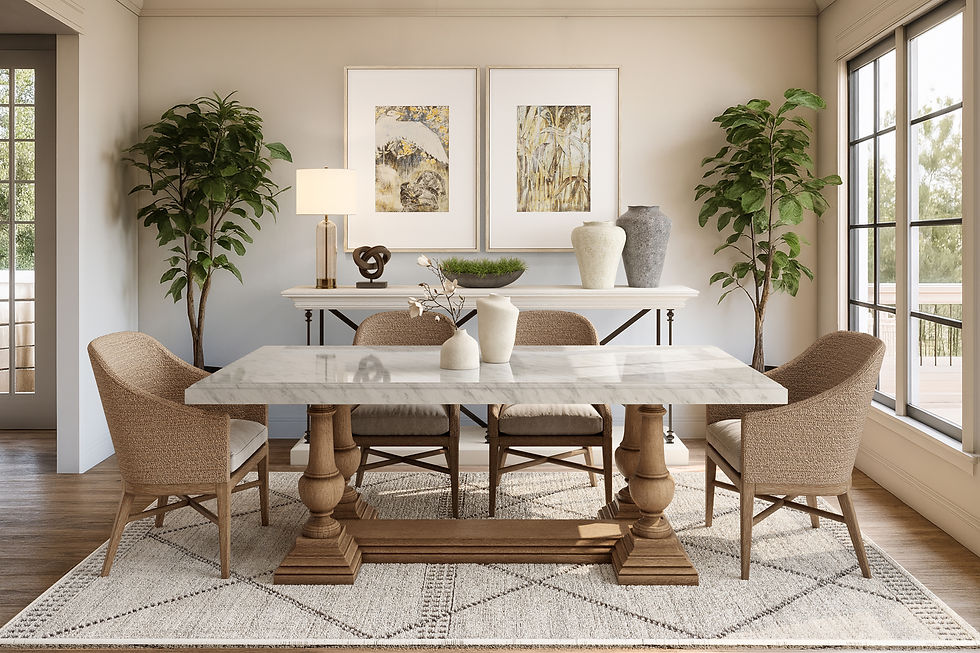
The magic of high-quality virtual staging can turn empty or sparsely furnished areas into visually stunning spaces. By employing professional design software, skilled designers can accentuate a property’s best features, creating a welcoming atmosphere that resonates with potential buyers. For instance, a vacant living room can go from dull to dynamic with just some well-placed virtual furniture, making it easier to imagine family gatherings or cozy evenings.
Flexibility and Customization
Another great aspect of virtual staging is its flexibility. Sellers can choose from various styles and layouts to align with their target market's taste. Whether aiming for a sleek modern style or a warm traditional feel, virtual staging can be customized to attract the right buyers effectively. By tailoring images to showcase trending designs, sellers can appeal to specific demographics, such as young families or empty nesters.
Understanding the Virtual Staging Process
Step 1: Professional Photography
The initial step in virtual staging is capturing high-quality photographs of the empty or sparsely furnished home. These images serve as the canvas for virtual staging. Ideally, the pictures should be illuminated well and taken from multiple angles, showcasing the space effectively. Research shows homes with professional photographs can sell 32% faster than those with standard photos.
Step 2: Digital Design
After the photography, a virtual staging expert employs specialized software to add furniture, decor, and other design elements. This stage involves selecting items that complement the property’s architecture and aesthetics, ensuring a harmonious look.
Step 3: Final Touches
Once the initial staging is complete, the designer makes adjustments to enhance realism. This may include correcting lighting, shadows, and colors, resulting in a polished final product that presents well to buyers.
Step 4: Marketing the Property
With the virtual staging finalized, the impressive images can be utilized in online listings, brochures, and various marketing materials. Engaging visuals lead to increased interest, with some studies suggesting homes with virtual staging sell 20% faster compared to those that are not staged.
Virtual Staging vs. Traditional Staging
Cost Comparison
Traditional staging can be a financial commitment, often requiring considerable investment in furniture rental and decor. Virtual staging offers a wallet-friendly alternative, achieving a similar visual impact without draining resources.
Time Efficiency
The time frame for traditional staging can stretch as long as a week or more, whereas virtual staging can often be completed within just a couple of days. This speed can be crucial in a real estate market where timing is everything.
Flexibility in Design
With traditional staging, sellers are limited by available rental items. Virtual staging, on the other hand, allows for limitless design options. Sellers can experiment with various styles, ensuring alignment with current market trends without the physical constraints.
Common Misconceptions About Virtual Staging
It’s Deceptive
A frequent misconception about virtual staging is that it misrepresents reality. In truth, when executed well, virtual staging accurately illustrates a space’s potential. It helps buyers envision how they could utilize the home effectively, rather than projecting an unrealistic image.
It’s Only for High-End Properties
Many believe virtual staging is reserved for luxury listings. Yet, this tool can provide value at all price points, helping any seller enhance their home’s appeal, no matter the segment of the market.
It Replaces Traditional Staging
While virtual staging is a powerful marketing strategy, it doesn’t eliminate the need for traditional staging. For some high-end properties, using both virtual and physical staging in tandem can yield the best results. Virtual staging amplifies a home’s appeal, while traditional staging introduces a tangible experience for potential buyers.
Tips for Successful Virtual Staging
Choose the Right Professional
Selecting the right virtual staging service is crucial. Look for a reputable professional with an impressive portfolio. Review their past projects to ensure a style that matches your vision for the property. This attention to detail can make a significant difference in the outcome.
Focus on Key Areas
Not every room requires virtual staging. Target key areas that will create the most significant impact on prospective buyers, such as the living room, kitchen, and master bedroom. These spaces tend to attract the most scrutiny and can greatly influence buyer decisions.
Use High-Quality Images
The quality of photographs is essential for effective virtual staging. Ensure your images are bright, clear, and captured from flattering angles. Low-quality images can undermine the benefits of virtual staging and hinder generating interest.
Be Mindful of Style
When choosing virtual furniture and decor, consider what appeals to your target market. Select styles and colors that resonate with potential buyers in your area, avoiding overly personalized or niche designs that might alienate some viewers.
The Future of Virtual Staging
As technology advances, the future of virtual staging is looking bright. Innovations in virtual reality (VR) and augmented reality (AR) are transforming how buyers experience homes. Picture being able to take a virtual tour of a staged home with VR headsets or viewing enhancements through an AR app.
These breakthroughs will not only enrich the buyer experience but also provide sellers with even more tools to showcase their properties effectively. As the real estate landscape continues to evolve, virtual staging will play a vital role in helping sellers stand out.
The Bottom Line
In summary, virtual staging is a powerful tool for sellers aiming to sell homes faster and cheaper. With its cost-effective solutions, time-saving benefits, and enhanced visual appeal, virtual staging has become an essential strategy in real estate. By understanding the process and leveraging its advantages, sellers can attract more potential buyers and achieve quicker sales.
As the market continues to evolve, adopting innovative solutions like virtual staging is key to remaining competitive. Whether you are a seasoned real estate agent or a first-time seller, incorporating virtual staging into your strategy can unlock the full potential of your property.


Really valuable content here https://en.wikipedia.org/wiki/Web_design I was searching for information on this topic and your article answered many of my questions. It is worth going through learn more here before settling on anything. Keep up the excellent work!
Really valuable content here https://en.wikipedia.org/wiki/Web_design I was searching for information on this topic and your article answered many of my questions. It is worth going through learn more here before settling on anything. Keep up the excellent work!